Tools, gathering, and what they do
Rust has a whole ladder of tools, and knowing which one to use saves you hours. This guide explains each tool tier, what every resource is good for, and why you should never travel at night without a torch.
The tool ladder explained
You'll progress through several tool tiers:
- Rock
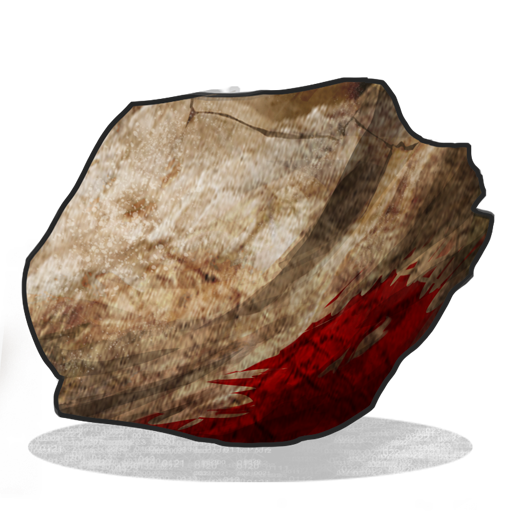 — what you spawn with. Painfully slow.
 - Stone Hatchet
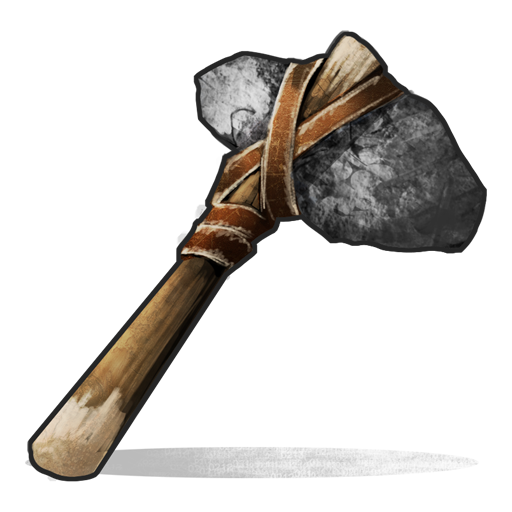 / Stone Pickaxe
 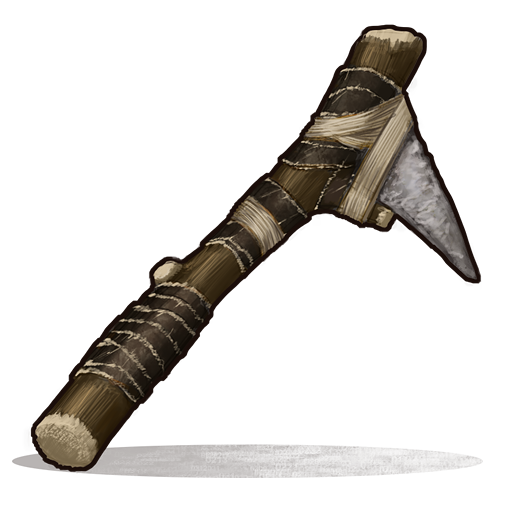 — your first real tools. No workbench needed.
 - Hatchet
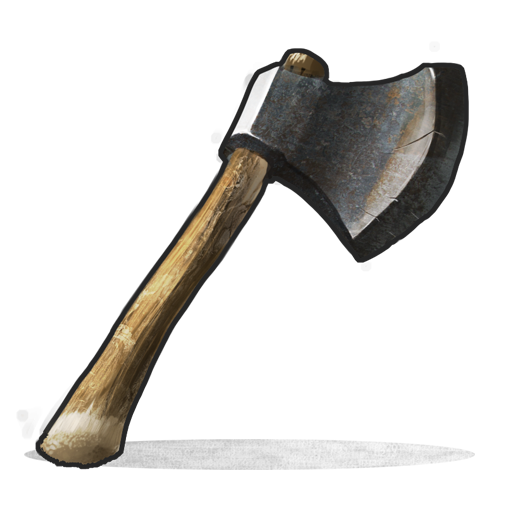 / Pickaxe
 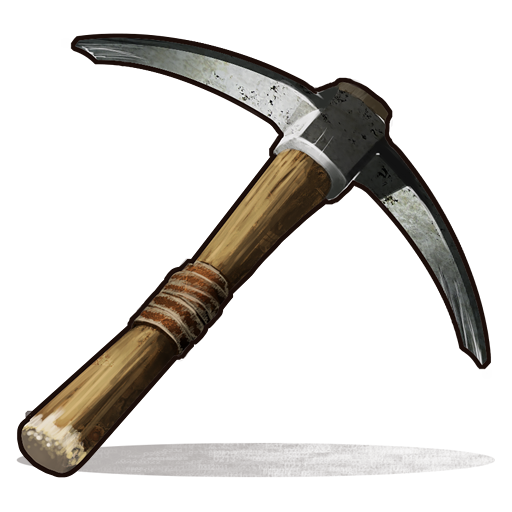 (metal) — significantly faster. Requires Workbench 1
 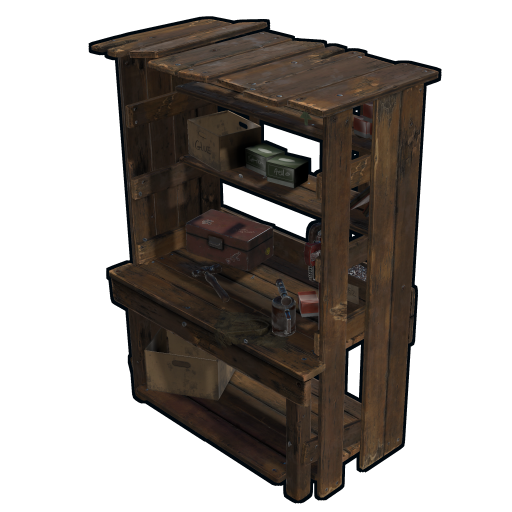 .
. - Salvaged Axe
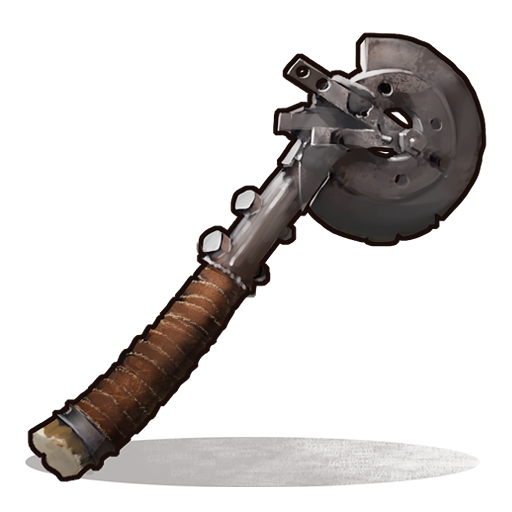 / Salvaged Icepick
 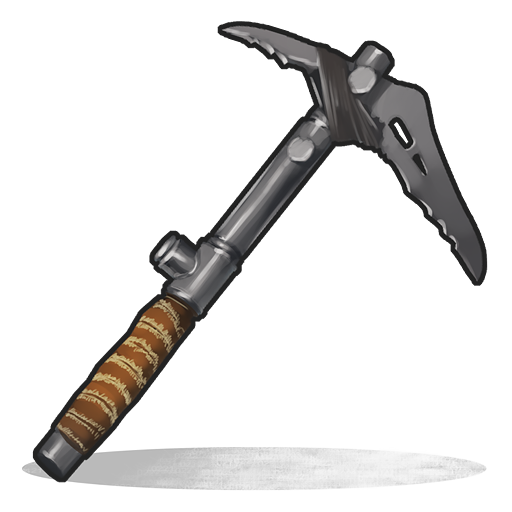 — top-tier hand tools (Workbench 2
 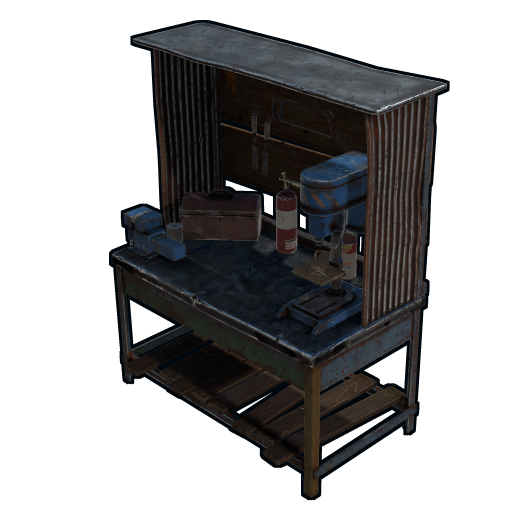 to craft, but you can also find them in barrels and crates).
 - Jackhammer
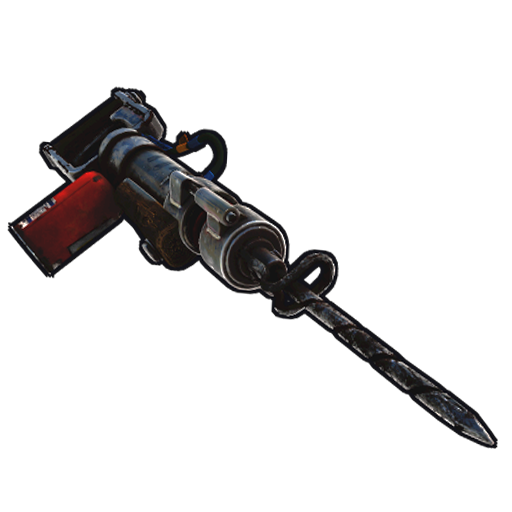 — a fast Workbench 2 mining tool, no fuel required; gathers stone
 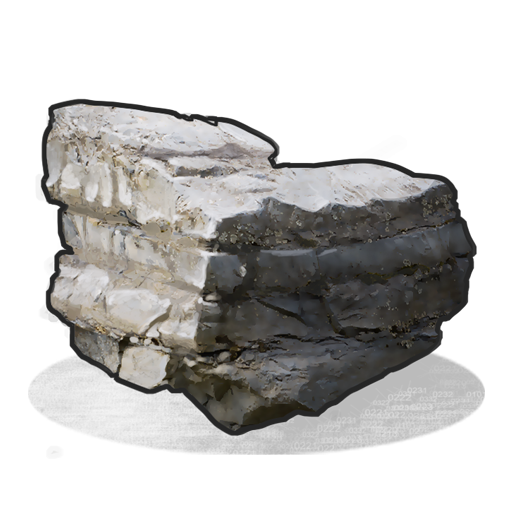 /metal/sulfur
 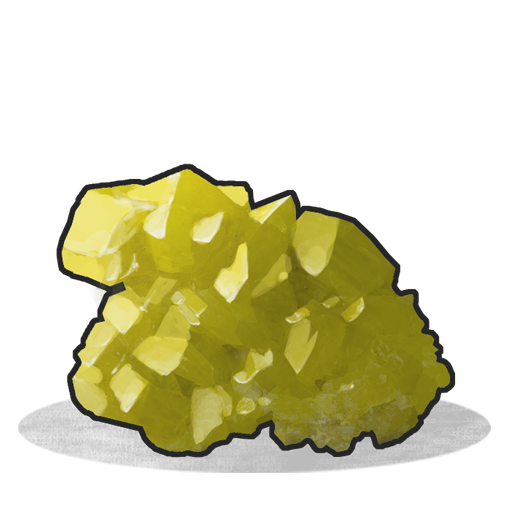 much faster than the salvaged icepick .
 - Chainsaw
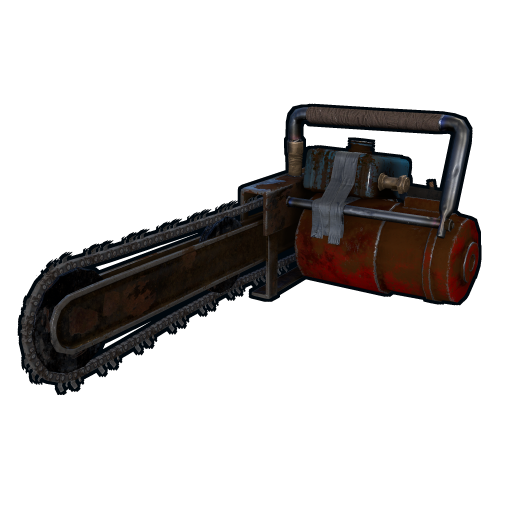 — fuel-powered wood
  gatherer (uses low grade fuel
  ). Loud — everyone within a sizeable radius hears you running it.
What each resource is actually for
- Wood — building, fueling campfires
 /furnaces
 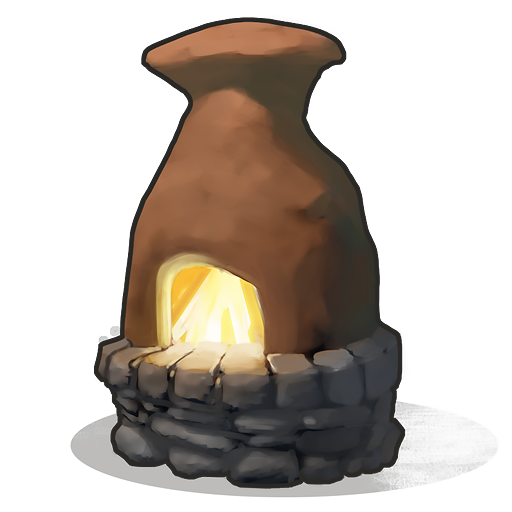 , arrows
 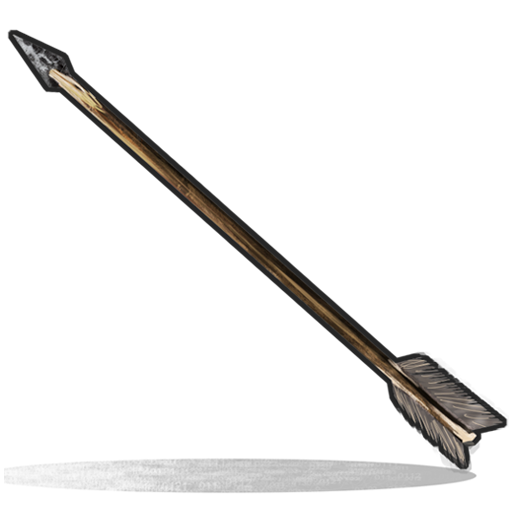 . You'll burn through more than you think.
 - Stone — upgrading walls to stone tier, the first real defensive upgrade.
- Metal ore — smelted in a furnace to make metal fragments
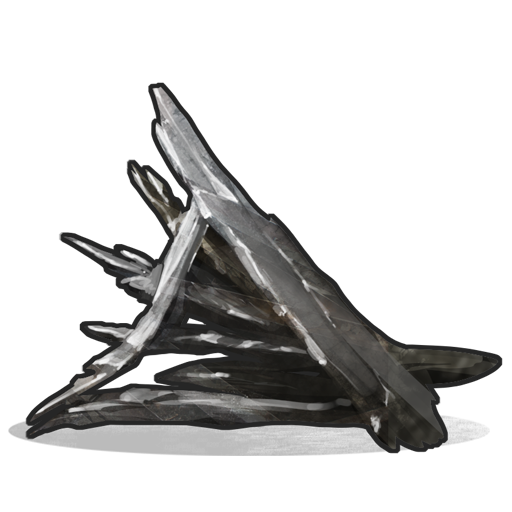 , used for weapons and metal-tier walls.
 - Sulfur ore — smelted into sulfur , the key ingredient in gunpowder
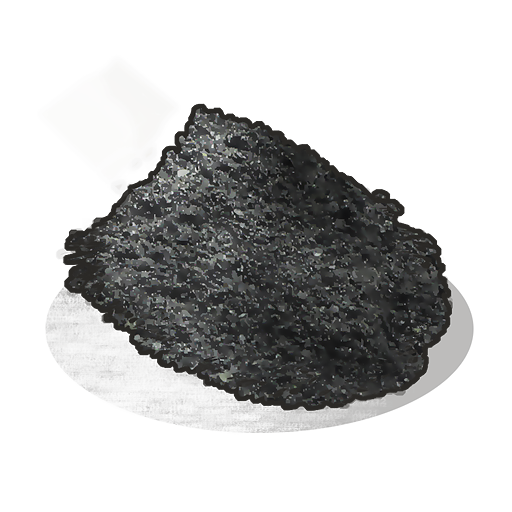 , which makes explosives.
 - High Quality Metal
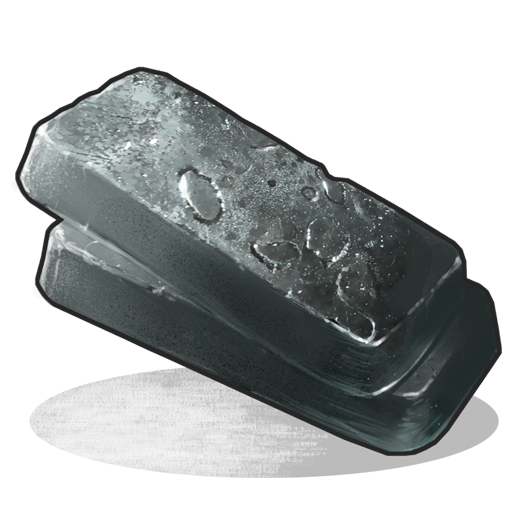 (HQM ) — the rarest resource. Late-game weapons and armored walls.
Picking the right tool for the job
Use the hatchet family on trees and animal corpses. Use the pickaxe family on stone nodes, metal nodes, and sulfur nodes.
If you try to chop a tree with a pickaxe , gather rates are awful. Don't do it. Always carry both.
Why you always carry a torch at night
Rust's nights are genuinely dark. Without a light, you can't see your hand in front of your face.
The torch 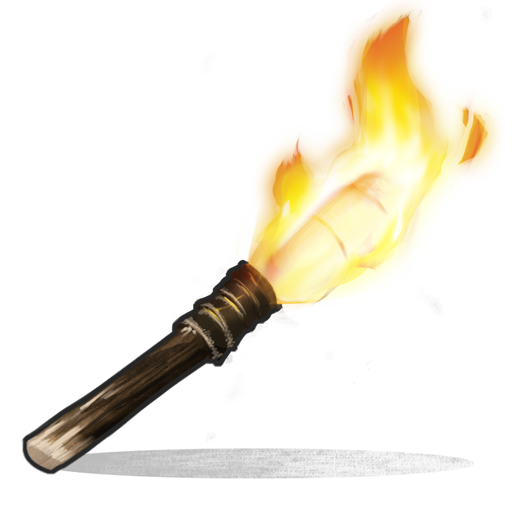 you spawned with is the cheapest light source in the game. It does lose durability when you swing it as a melee weapon, and the burn slowly consumes its lifespan, so keep a backup torch handy on long monument runs. Hold it in your off-hand and you have permanent light. The downside: it's visible to everyone.
Most experienced players turn the torch on and off as needed. It also lets you see in dark monuments without burning a flashlight cell.
Recyclers — your hidden best friend
Most monuments contain a recycler. A recycler takes items you don't need and breaks them down into raw materials and scrap 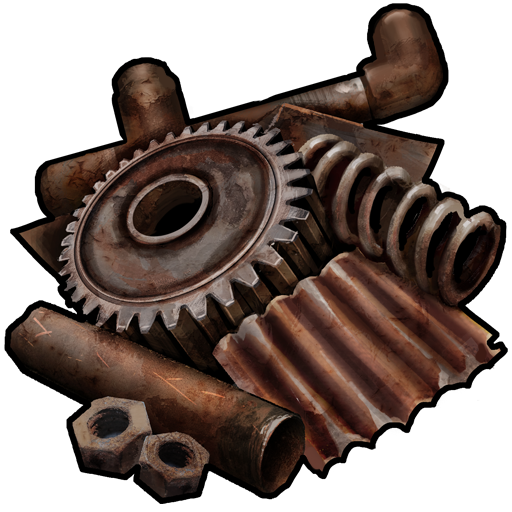 .
.
Random junk shotgun from a barrel? Recycle it. Random clothes? Recycle them.
Quick recap
- Tool ladder: rock → stone tools → metal tools → salvaged tools → power tools.
- Wood for building, stone for upgrades, metal frags for weapons, sulfur for explosives.
- Always carry both a hatchet AND a pickaxe .
- Your starter torch lasts a long time if you only use it for light. Use it at night.
- Recyclers at monuments turn junk into scrap .
Next: Build your first base: the 1x1 walkthrough
Want more detail? Scrap Farming